
Do you know where your water comes from?
February 24, 2026
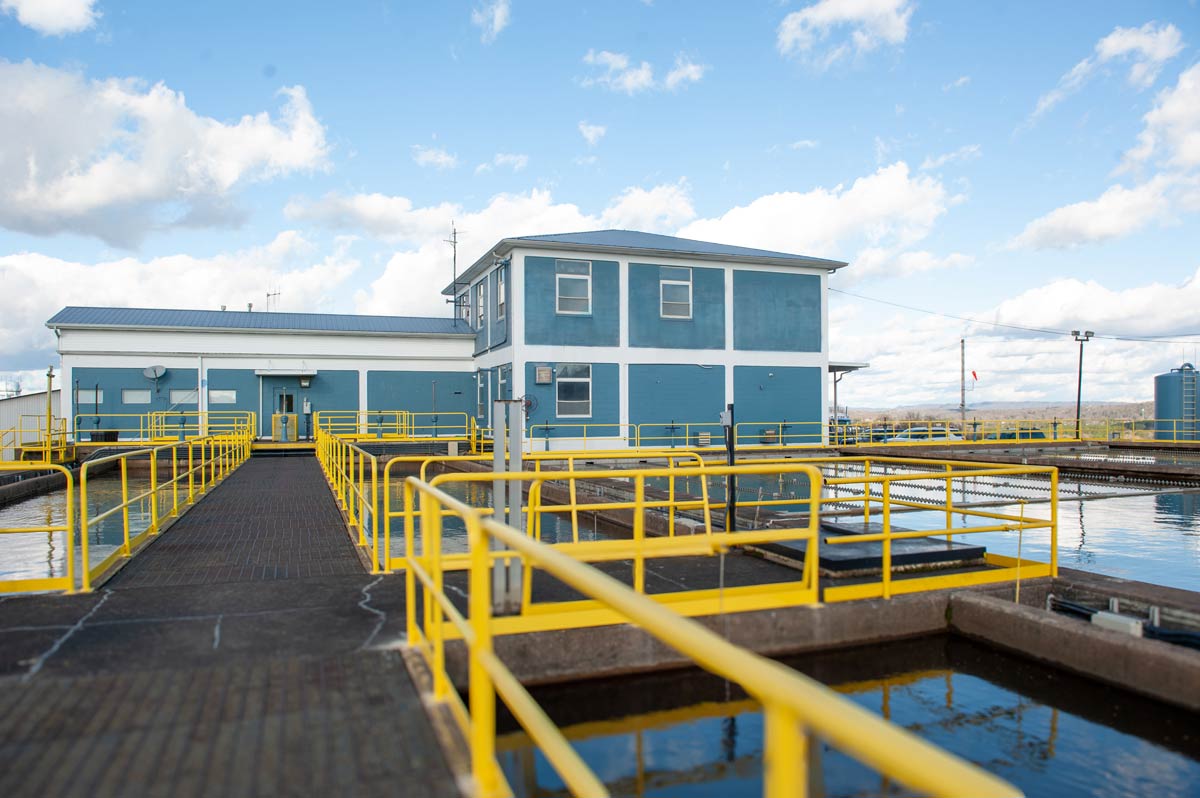
It’s easy to turn on the tap and not think twice about it. But your water has been on quite a journey before it reaches your home.
Eastside Utility District serves more than 26,000 residential customers across Bradley and Hamilton counties. When including our wholesale partners, the water we treat and deliver reaches close to 80,000 people across a 70 square mile service area.
So what happens between the river and your tap?
Here’s how it works:
From River to Plant
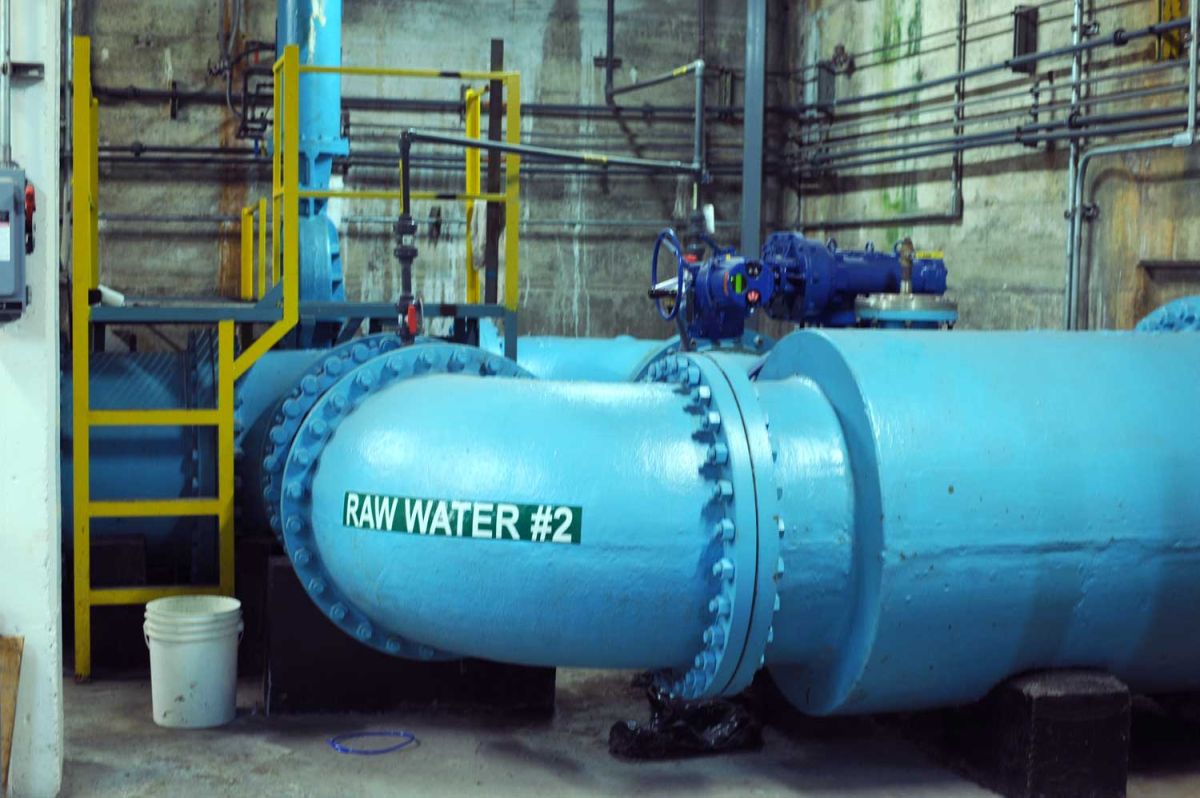 Your water journey begins at the Tennessee River, where raw water is drawn from the Chickamauga Reservoir. It passes through chambers, grates, and screens to remove large debris, then travels about 1⅔ miles east to the treatment plant, where the purification process begins.
Cleaning and Preparing Your Water
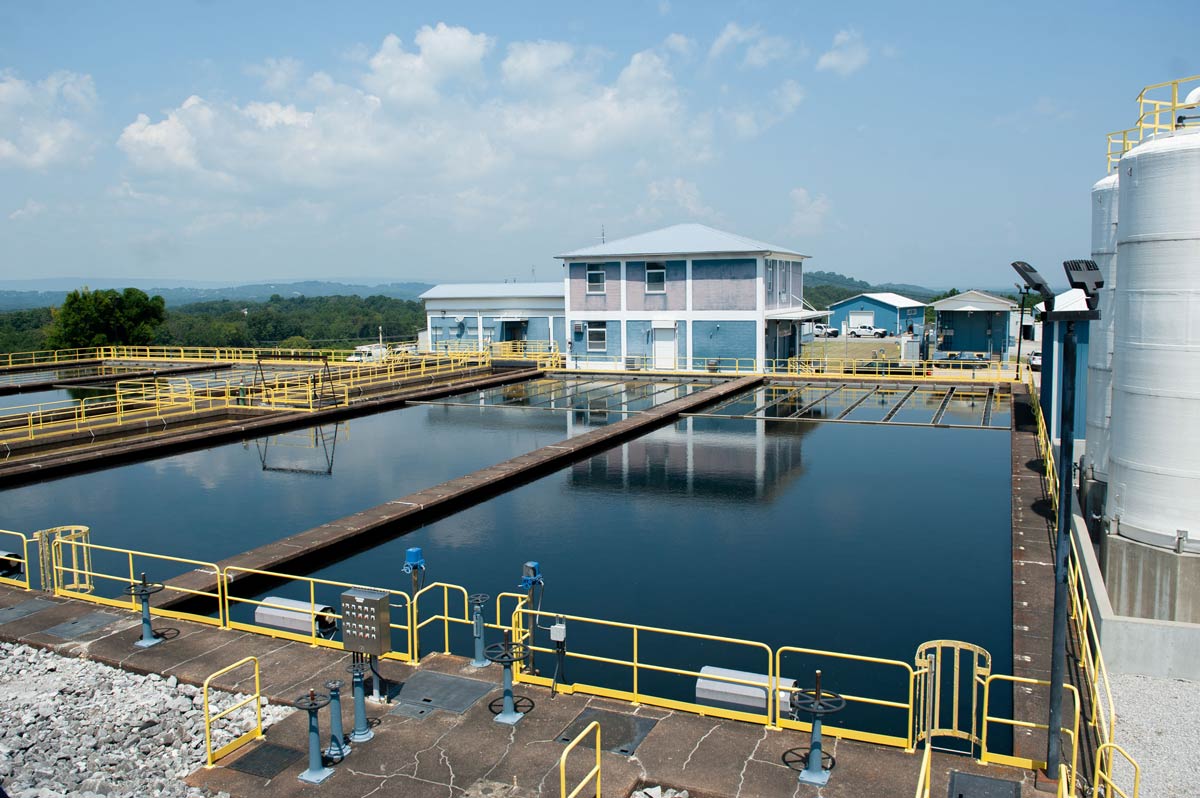
Once at the plant, the water flows by gravity into flocculation chambers, where coagulants and flocculators help small particles come together and settle to the bottom.
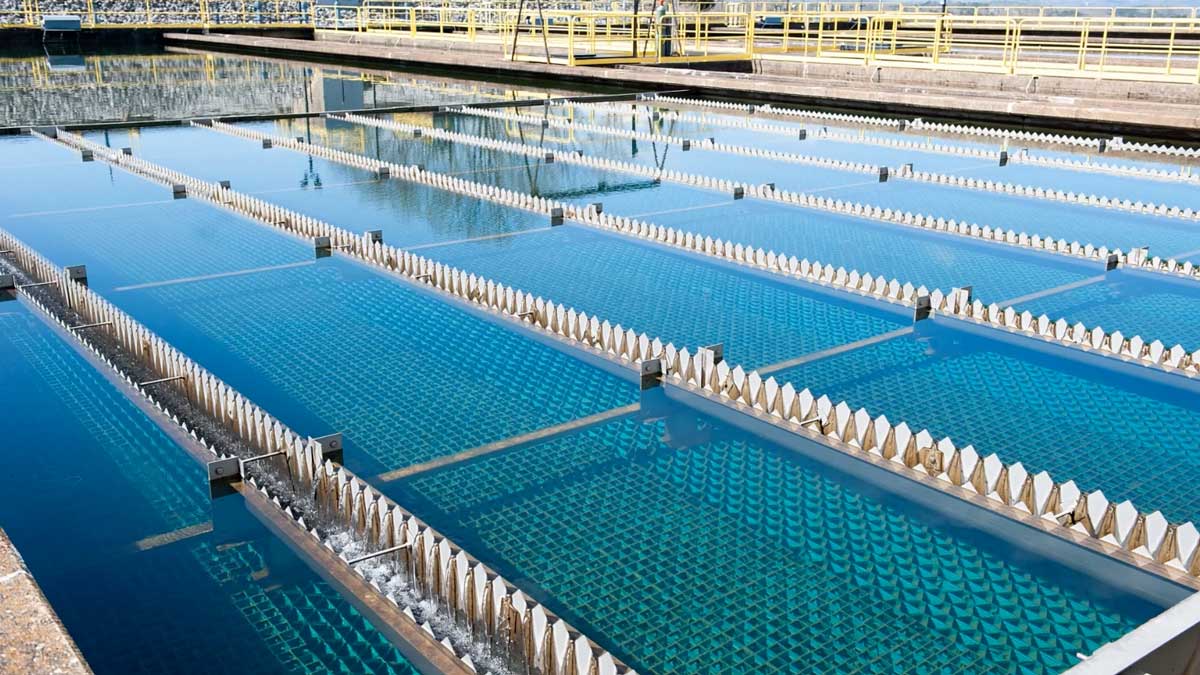
It then moves through sedimentation basins and tube settlers to remove remaining particles, before continuing on to mixed media filters, including activated carbon, for final filtration.
The full clarification and filtration process takes about 10 to 12 hours from start to finish, with the water tested to ensure it meets or exceeds all drinking water requirements.
Water Quality Testing
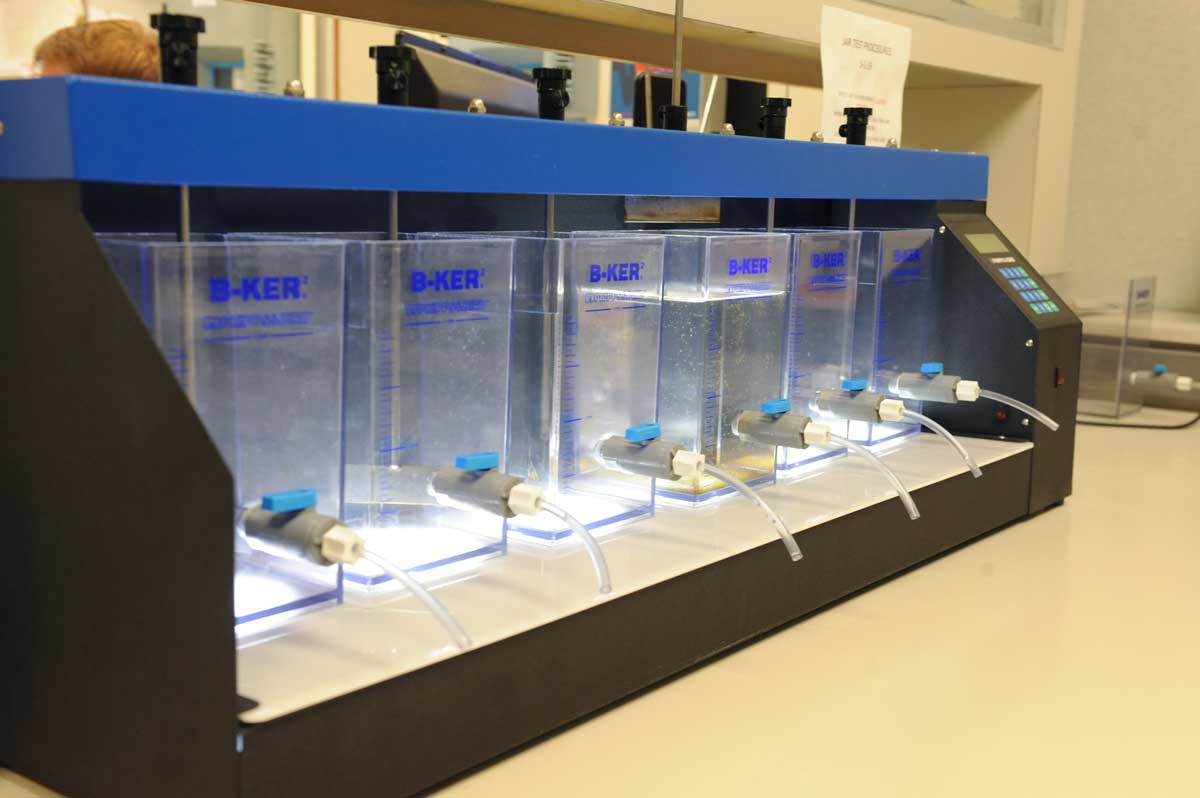
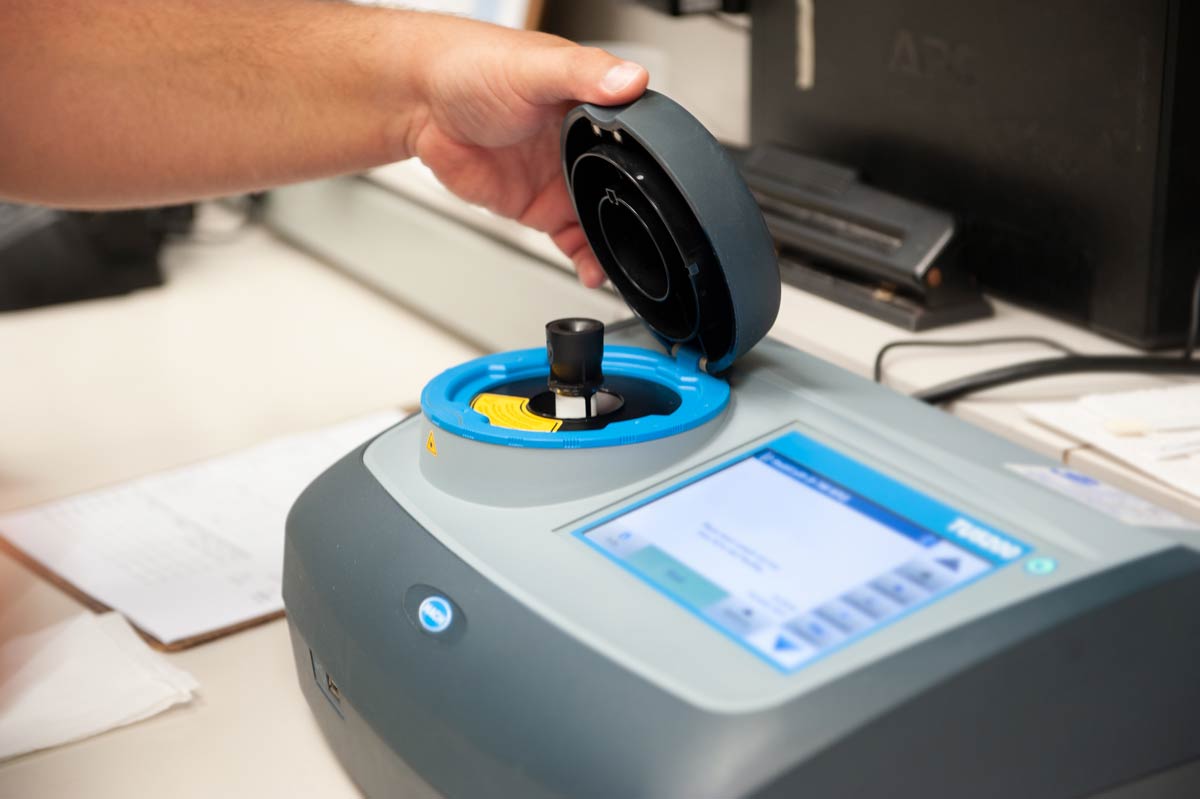
Testing your water is a central part of keeping it clean and safe. Routine sampling and analysis take place throughout the treatment process and across the distribution system. More than 80 different parameters are monitored to ensure your drinking water meets state and federal standards.
To learn more, view our Water Quality Report
Distribution Throughout the Community
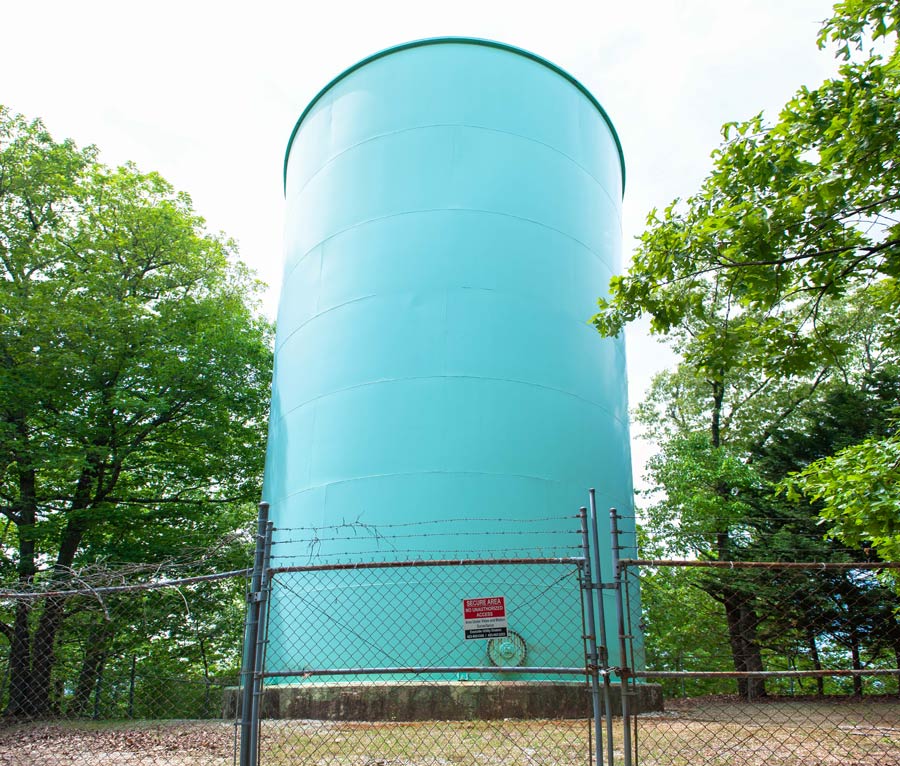
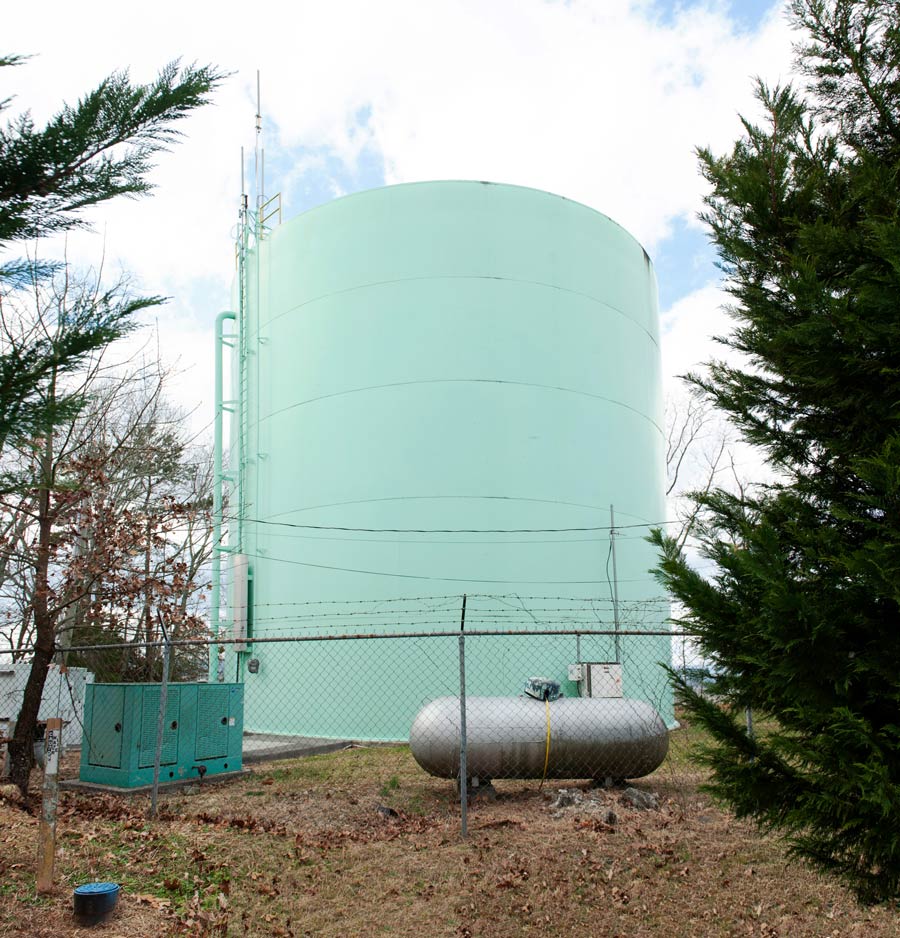
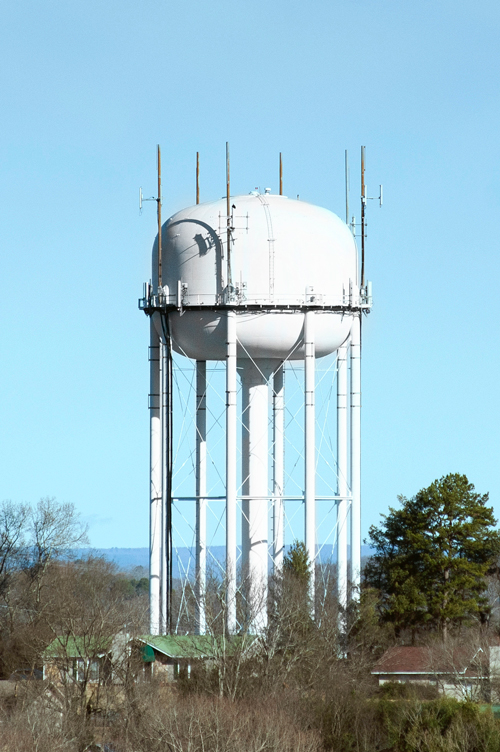
After treatment, the cleaned water is stored in clearwells before being distributed into the system. Across the district, elevated and ground storage tanks help maintain steady pressure and consistent supply, supporting homes, businesses, industries, and local farms throughout our community.
Learn more about Eastside Utility District